


ABSCESS
What are Abscesses?
Skin abscesses are skin swellings with a collection of pus and are caused by infection of the skin during the invasion of pyogenic microorganisms (usually staphylococci and streptococci).
Abscesses can be created as a reaction to a microbe, parasite and, more rarely, to a foreign body (needle, spike). The most common microbe that leads to the creation of an abscess is Staphylococcus aureus. The factors that cause abscesses can be:
- Inflammation of the hair follicles
- Obstruction of the sebaceous or sweat glands
- Small cuts and holes in the skin
When microbes enter under the skin or into these glands, inflammation is caused. Inflammation is created as a result of the body’s attempt to fight off hostile microorganisms.
Abscesses appear with symptoms of local inflammation and are extremely painful. The characteristics of abscesses include:
- Pain (they are particularly painful)
- Swelling (swelling)
- Redness (redness)
- Elevated temperature
- Pus discharge
If left untreated, they can cause fever, swollen lymph nodes or even a generalized condition, dangerous to the patient’s life.
Within the abscess there are septa that are separated into separate sections (compartments) which are filled with pus. That is why it is important to have a good cleaning of the abscess cavity by an experienced Surgeon, because if they are not cleaned properly, there is a high probability of recurrence of the problem.
As the abscess grows, it becomes liquefied and contains dead cells, bacteria, and other tissue debris. This forms pus, a foul-smelling fluid that is contained within the abscess.
Patients with weakened immune systems are more likely to develop skin abscesses. The main factors that increase the frequency of abscess formation are:
- Diabetes
- Alcoholism
- Cancer
- Chemotherapy
- HIV
- Autoimmune diseases
- Diseases that weaken the immune system
An abscess is likely to appear anywhere on the body, with greater frequency in areas such as:
- Neck
- Armpit
- Back
- Inguinal fold
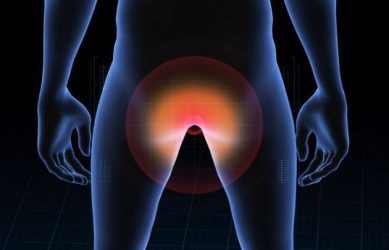
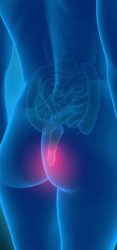
- Perianal abscess
- Labia majora (Bartholin’s gland abscess)
- Fingers
- Coccyx (usually due to a pre-existing coccygeal cyst)
- Scrotum
- Buttocks
When the inflammation is in its early stages, then treatment is with oral or topical antibiotics. Sometimes taking anti-inflammatory drugs also helps.
Once an abscess cavity has formed, the abscess and the underlying pus must be opened and drained.
Usually, the opening of the abscess is created with a local anesthetic, release and then the Surgeon opens the abscess and drains all the liquid fluid. Then, the rupture of the septa that may be present inside the abscess cavity follows.
After drainage. Then, the area is covered with dressings, while instructions are given to the patient and antibiotics.
Abscess Treatment: LAD Method (Laser Abscess Drainage)
For the opening of abscesses, the treatment uses a last-generation negative Laser, which creates minimal trauma to the patient.
Laser is an advanced, fast and very effective way to treat abscesses. It replaces the classic scalpel operation, its success is undeniable and offers a number of advantages such as:
- Completely safe
- Minimal duration (approximately 10 minutes)
- Zero pain
- In most cases, no painkillers are administered
- It is performed in the clinic with local anesthesia
- Immediate return to home and daily activities
- Immediate return to work
- Bathing is allowed the day after the operation
- Rapid healing of the wound
- Ελαχιστοποίηση των πιθανοτήτων για υποτροπή