


HYPERHERMIC ENDOPERITONEAL CHEMOTHERAPY (HIPEC)
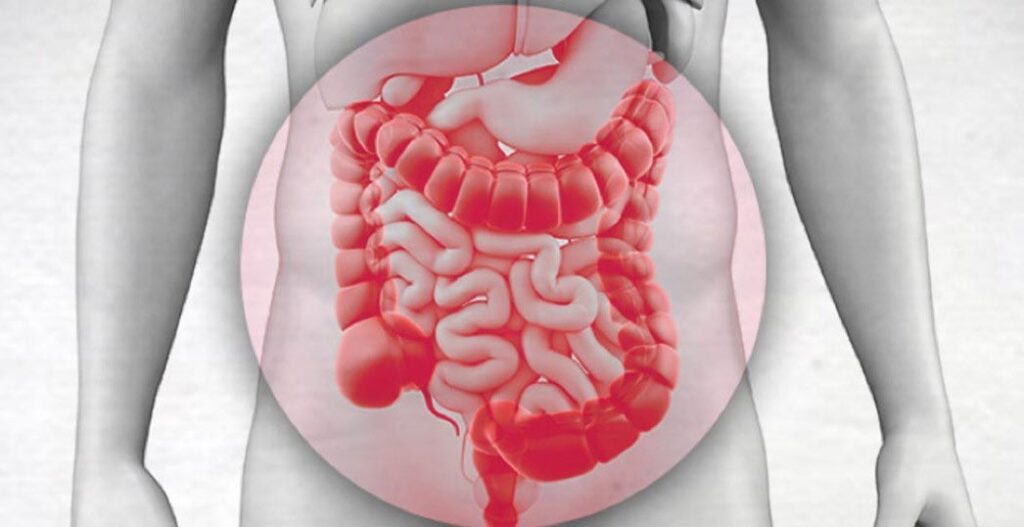
The peritoneum is a serous membrane composed of thin layers of loose connective tissue and is covered by a line of mesothelial cells, originates from the mesoderm and begins to form during the 4th week of fetal life. It rubs the space between the organs of the venter (visceral peritoneum) and the abdominal wall (parietal […]
LIVER CANCER
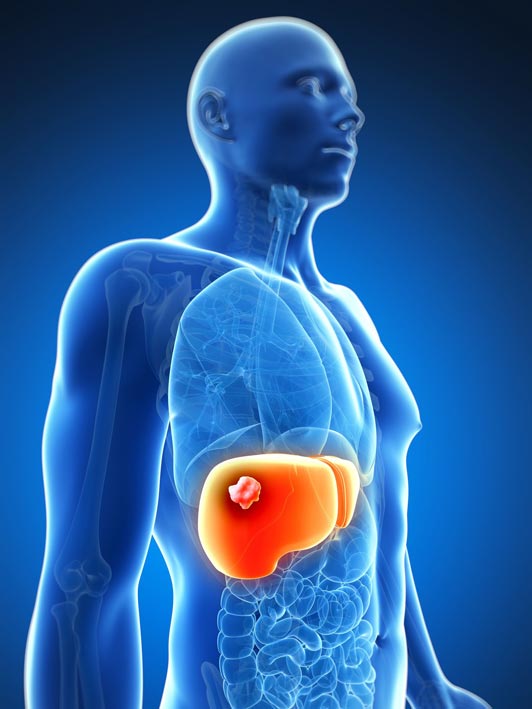
Liver cancer is a tumor that first appears in the liver tissue. There are different types, depending on the type of cancer cells. Hepatocellular carcinoma (90%) is the most common type and starts from hepatocytes, liver cells. A rare type is fibrolumellar carcinoma. It is usually well-defined in relation to hepatocellular carcinoma, which develops more […]
SEBACEOUS CYST
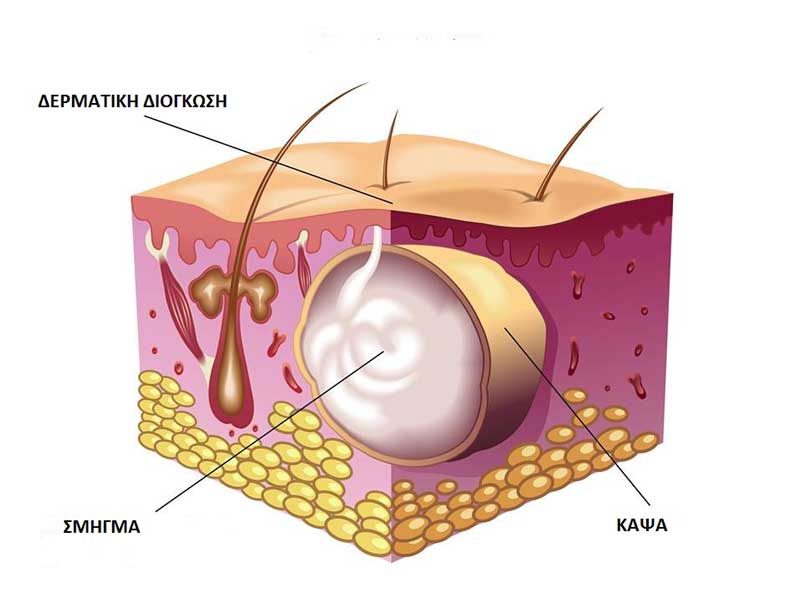
The sebaceous cyst is a benign condition of the sebaceous glands located under the skin near the hair follicles and produce sebum, a substance that lubricates the skin. The cyst is created by the obstruction of the drainage duct of a sebaceous gland that continues to fill with sebum. The sebaceous gland can grow anywhere […]
ACUTE APPENDICITIS
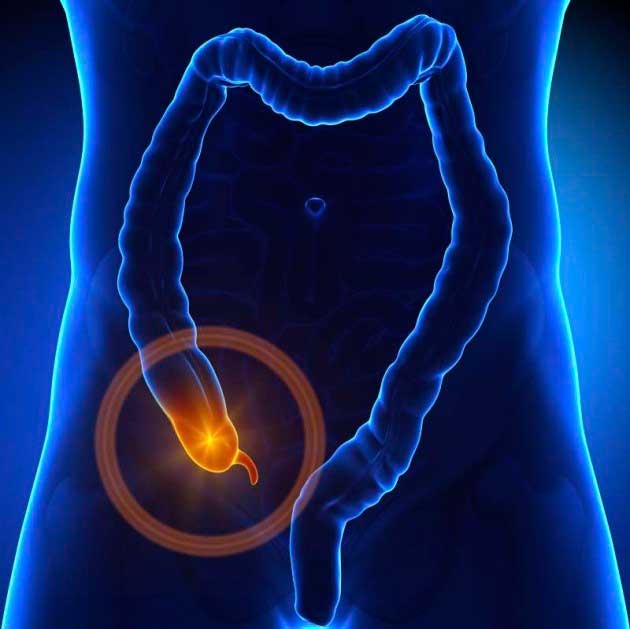
Acute appendicitis is an inflammation of the appendix that hangs from the cecum (the first part of the large intestine) and takes the form of an intestinal follicle. It is due to the obstruction of its lumen by coprolith, hypertrophy of its follicles, seeds, parasites or tumors (carcinoid). The obstruction results in its dilation because […]
STOMACH CANCER
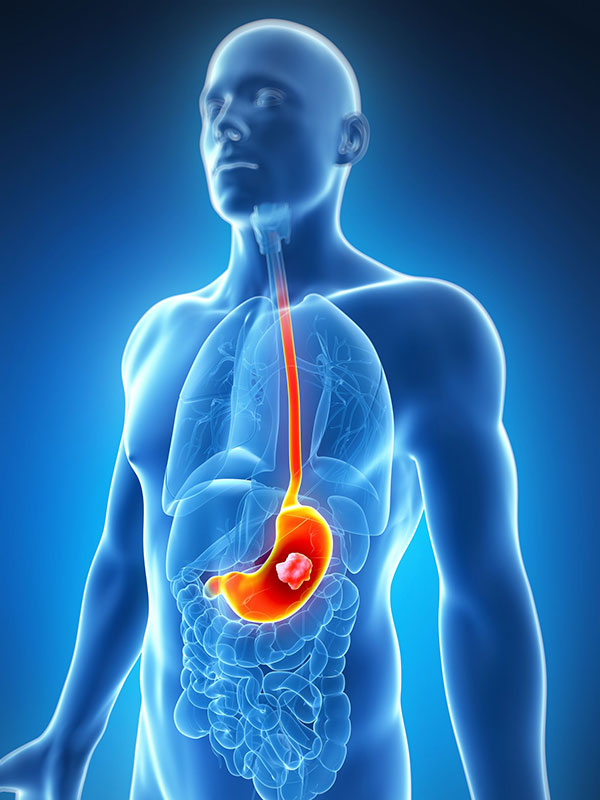
The term stomach cancer describes the pathological condition in which stomach cells become malignant and grow uncontrollably forming a tumor. Different types of cancer can emerge in the stomach. The most common of these is adenocarcinoma, which begins in cells of the gastric mucosa (95%), followed by lymphoma and leiomyosarcoma. Other types of gastric cancer […]
COLON CANCER
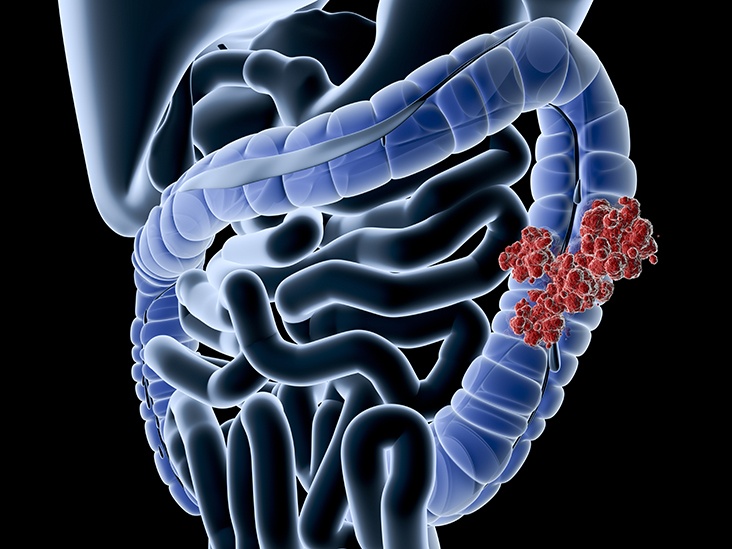
By colon cancer we mean the malignant neoplasm which develops in the large intestine or rectum. Colon cancer is one of the most common cancers in the world. It is estimated that more than 300,000 new cases are diagnosed each year in Europe. It is the 3rd most common neoplasm in women and men and […]
PANCREATIC CANCER
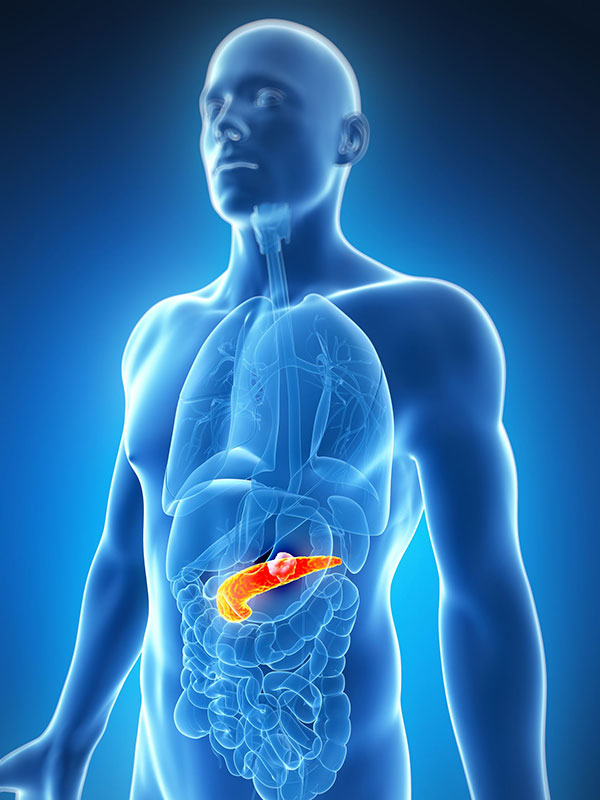
The pancreas is a large gland behind the stomach and next to the duodenum and small intestine. The pancreas does two main things: it releases powerful digestive enzymes into the small intestine to help digest food, and it releases the hormones insulin and glucagon into the bloodstream. These hormones help the body control how to […]
THYROID CANCER
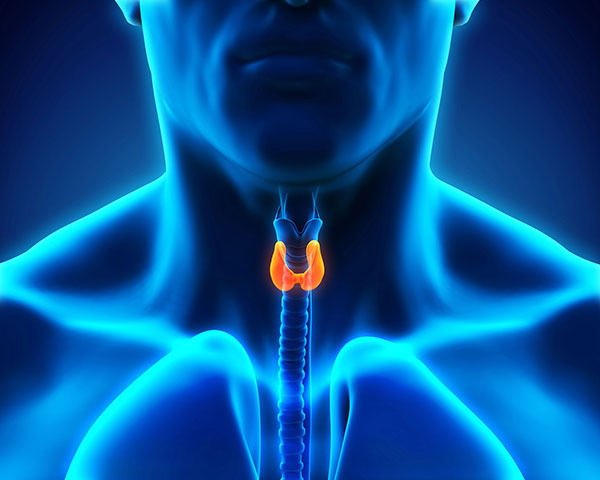
Thyroid cancer can occur at any age. Most cases manifest after the age of 40. Women are two to three times more likely to get the disease than men. When there is a family history of thyroid cancer, the risk of developing the disease in other family members is higher. People who have been exposed […]
CHOLOLITHIASIS
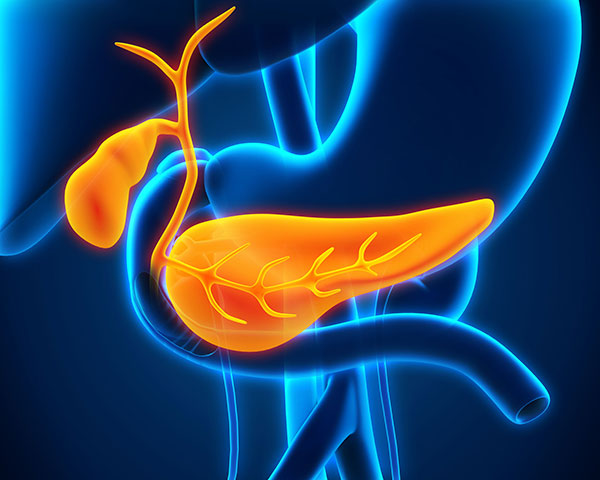
The gall bladder (commonly gall) is a pear-shaped organ located below the right side of the liver. Its main function is to collect part of the digestive fluid (gall) produced by the liver. This fluid is released from the gall bladder after eating, when needed, helping to digest mainly fatty substances. The gall is transported […]
INGUINAL HERNIA
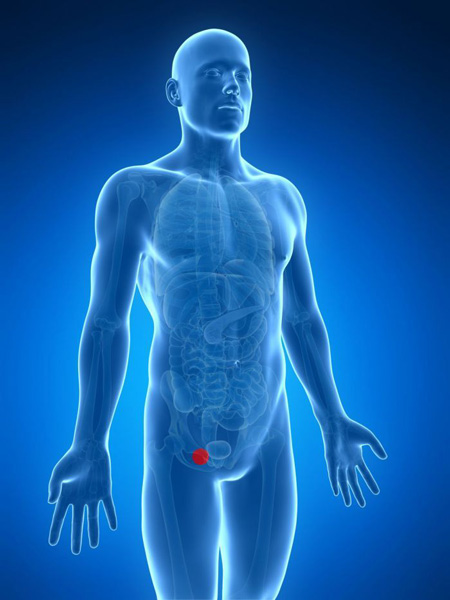
Inguinal hernia is the prolapse of part of an intra-abdominal viscera (usually the small intestine or preperitoneal fat), which occurs between the thigh and the hypogastrium and more precisely in the area of the right or left inguinal canal. It is the most well-known form of hernia and one of the most common surgical conditionsInguinal […]