


COCCYGEAL PAIN
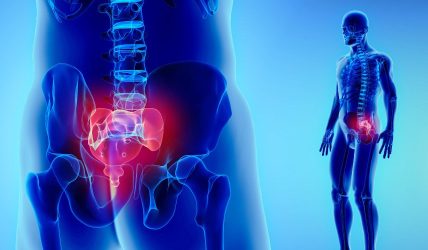
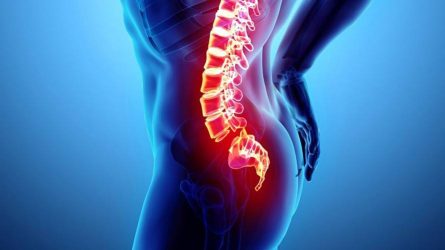
The presence of symptoms in the coccyx area does not mean that all patients suffer from a pilonidal cyst and need surgery. The coccyx is located at the lower end of our spine and is connected to the sacrum, forming the sacrococcygeal joint, which allows for slight forward or backward movement in conjunction with the movement of the pelvis and lower limbs. Coccygeal pain is also a common condition in the area, manifested by recurrent pain and a sense of discomfort in the intergluteal cleft.
Coccygeal pain occurs five times more frequently in women. The pathogenesis of the condition is associated with some acute injury to the coccyx region (e.g., following a fall or direct trauma) or chronic strain due to sedentary work or athletic activity (e.g., cycling), which can create an anatomical disorder such as a large angulation of the sacrum with the coccyx. A risk factor is increased body weight, childbirth, and increased mobility of the coccyx at the level of its articulation with the sacrum. Prolonged ‘poor’ sitting posture in front of a computer or during sedentary work, where the patient does not support themselves on the ischial bones, is also implicated. Often the condition is idiopathic, meaning no organic cause is found.
The patient feels pain in the coccyx area, which usually worsens when sitting on a hard surface and is relieved when standing up. The diagnosis is made through clinical examination and the absence of an organic cause for the pain. Radiological investigation is indicated for patients with persistent pain that does not subside after conservative management and is carried out either with magnetic resonance imaging or a simple X-ray of the area.
The treatment of the disease is a challenge due to its complex nature and must be specialized. It includes medication with anti-inflammatory drugs, the use of a special cushion with a cutout in the coccyx for sitting, reducing strain on the area, and improving body posture. Local injection of corticosteroid drugs or anesthetics can be tried in cases of persistent pain, as can epidural injections. Physiotherapy with currents and ultrasound can also help reduce symptoms. Very rarely, coccygectomy is performed to provide a definitive solution for patients with chronic, painful coccydynia, or ganglion of Walther neurolysis is carried out using radiofrequency.